October 30, 2026
How to Choose Your First Piazza in a New Italian Town: A Step-by-Step Guide
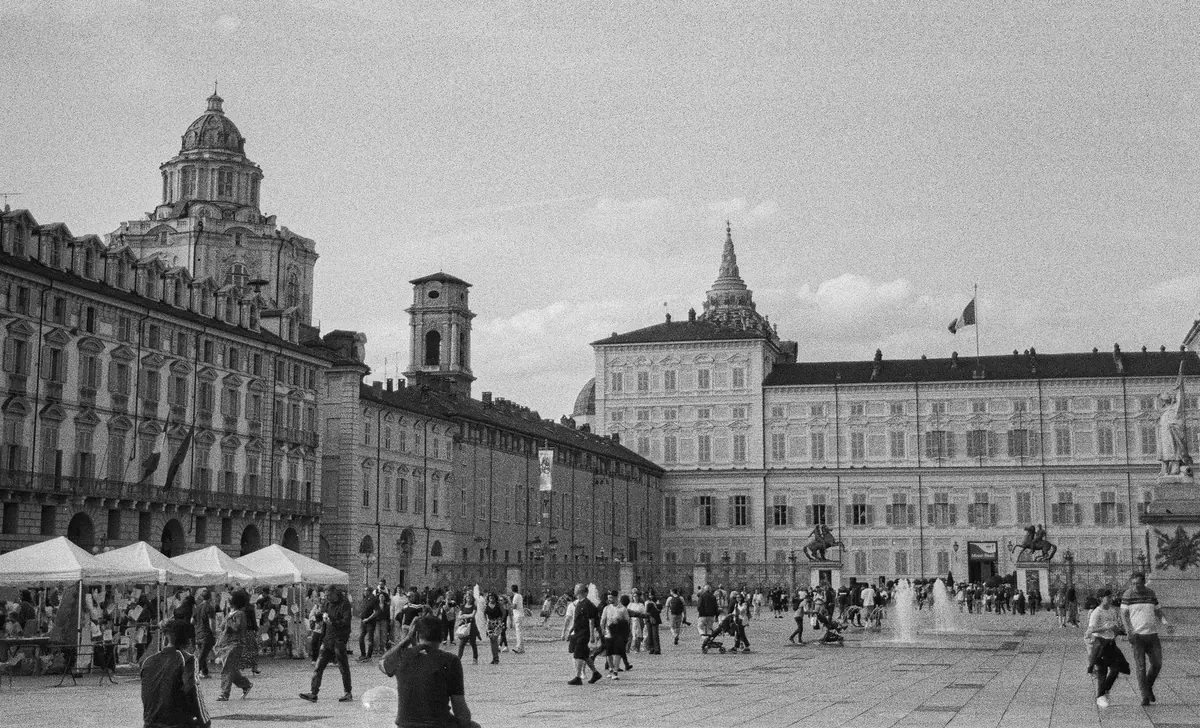
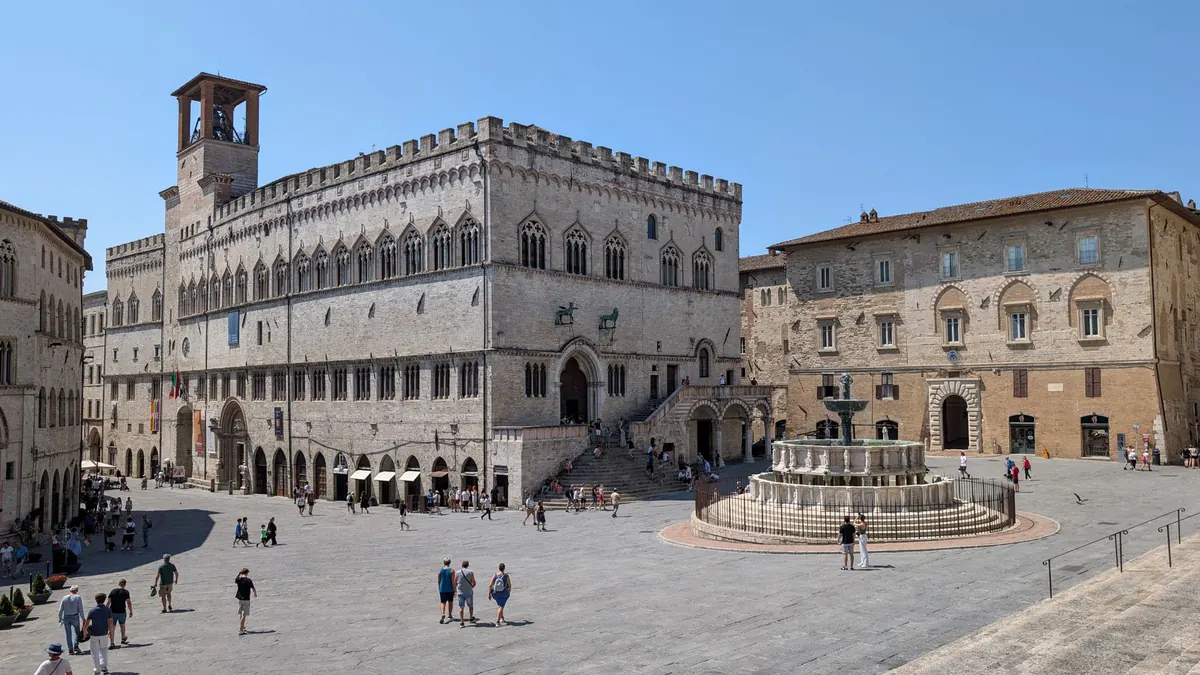
You arrive in a new Italian town with a suitcase, a folded map, and a vague plan to find the main square. Then you turn a corner and meet three piazzas in ten minutes: one grand and empty, one small and noisy, one with a car park in the middle. Which one deserves your first hour? The answer is rarely the one on the postcard. Choosing your first piazza is a small practical decision that sets the tone for the rest of your stay. It is not about finding the most beautiful square in town. It is about finding the square that helps you understand how the town works, where people actually go, and where you can pause long enough to stop feeling like a visitor with a suitcase.
Start with Your Bearings, Not the Guidebook
Before you compare squares, work out where you are. Find the town’s shape: the historic centre, the station, the main road, the church bells, the bus stops, the street signs. A map is useful, but your first job is not to tick off sights. It is to build a simple mental picture. Which square sits next to the town hall? Which one has the market? Which one is mostly a traffic junction? Which one has cafés with chairs facing outward, as if the square were a stage?
If you are not sure, walk a loose loop for five or ten minutes. Notice where locals cross the street, where delivery vans stop, where children are collected from school, and where people stand chatting without buying anything. Those small habits tell you more than a list of “must-see” squares. A piazza can be architecturally magnificent and still be a place people only pass through. Another can look plain and be the town’s living room.
Your first piazza should also be a landmark you can find again without thinking. If you are tired, hungry, or jet-lagged, choose the square with the clearest orientation: a church tower, a fountain, a town hall, a recognizable café. You want a place that says, “From here, I know how to get back.”
Read What the Square Is For
Italian piazzas are not all the same kind of public space. Some are ceremonial, some commercial, some religious, some social, and some are simply where cars happen to park. Look at the ground floor. A bank, a pharmacy, a bakery, a bar, a church, and a town hall all bring different rhythms. A square with three bars and a bakery has a good chance of being useful. A square with only souvenir shops may be beautiful but expensive. A square with a car park in the middle is not automatically a failure; in smaller towns, it may be the most practical square of all. But for your first hour, a car park is usually a sign that the square is a utility space rather than a place to linger.
Ask what you need from the next hour. Do you need coffee, shade, a toilet, Wi-Fi, a bench, or simply a place to sit still? A grand empty piazza may be perfect for orientation and photographs, but if there is nowhere to sit and no nearby bar, it will not help you settle. A small noisy square may be annoying at noon and delightful in the evening. The right choice depends on the time of day and your own energy, not on a ranking of beauty.
The Three-Square Test
If you meet three piazzas in ten minutes, give each one a quick, unsentimental test.
- The grand one: Is it a stage or a shortcut? If most people cross it without stopping, it is probably a passage. Use it for orientation, then find somewhere softer.
- The noisy small one: Listen carefully. Is the noise traffic, construction, or conversation? If it is conversation, with a bar, a bakery, and a few benches, it may be the best first hour in town.
- The car-park one: Do not dismiss it, but do not romanticize it either. Watch for a morning market or an evening stroll. If cars dominate, use it for errands and orientation, then move one street back.
A good first piazza usually has edges: places to sit, order something small, shelter from sun or rain, and watch without feeling in the way. The centre of the square may be for festivals, protests, or photographs. The edge is where ordinary life happens.
Choose the Piazza That Lets You Linger
Your first hour is not really sightseeing. It is calibration. You are learning the town’s pace, its sounds, its opening hours, and its social geography. Choose a square where you can order a coffee without ceremony, put the map away for ten minutes, and listen. In a small town, that might be the piazza with one bar, a church, and three old men arguing about football. In a bigger town, it might be a side square just off the main drag, where parents meet after school and workers eat lunch standing at the bar.
Look for people using the square in ordinary ways. Someone reading a newspaper. A shopkeeper sweeping the step. A child chasing pigeons. A couple sharing a gelato. A delivery driver drinking an espresso. If everyone is photographing the same fountain, you are in a visitor square. That is not a crime, and it may still be worth seeing, but it is not always the best place to begin. A first piazza should make you feel less like you are performing tourism and more like you are borrowing a chair in someone else’s routine.
A good first piazza is not the most beautiful one. It is the one where you can imagine returning tomorrow without a reason.
Ask a Small Question Before You Sit
If you speak a little Italian, ask a small, concrete question rather than a grand one. “Qual è la piazza principale?” will often send you to the postcard square. Try instead: “Dove prendete il caffè la mattina?” Where do you have coffee in the morning? Or “C’è un mercato oggi?” Is there a market today? Or “Dove passeggia la gente la sera?” Where do people stroll in the evening? The answers point to social life, not just civic pride.
If you do not speak Italian, observe. A bar with a few people standing outside at 8 a.m. is a good sign. A bakery with a queue at 10 a.m. is another. A square with benches, shade, and a newsstand is likely to be used by locals. Avoid asking “Which is the best piazza?” That question invites a guidebook answer. Ask where people go, and you will get a local one.
Use Time of Day as a Filter
A piazza changes personality through the day. In the morning, it may be a market, a coffee stop, and a delivery zone. At midday, especially in summer, it may be hot and empty, with shutters down and cafés quiet. In the afternoon, it may fill with schoolchildren, parents, and errands. In the evening, it may become a stage for the passeggiata, aperitivo, and slow conversation.
If you arrive at 2 p.m. in August, do not judge a grand empty square too harshly. It may be empty because it is hot, not because it is dead. If you arrive at 9 p.m., the small square you dismissed at noon may now be the best place in town. Choose according to the hour and the season. In winter, look for sun. In summer, look for shade. A café with tables under an arcade can make an ordinary square feel like a living room.
Avoid the Postcard Trap and the Parking Trap
The postcard trap is simple: the most photographed square is not always the most useful one. It may be dominated by guided groups, souvenir shops, and menus in five languages. See it, enjoy it, but do not assume it is the town’s heart. The parking trap is the opposite mistake: dismissing a square because it has cars. In many smaller Italian towns, the piazza doubles as a car park, and the bar on the corner may still be the social centre of the town. Use the car-park square to orient yourself, but choose a softer edge for your first hour.
Another common trap is the station square. It is useful for buses, taxis, and arrivals, but it is rarely the place where the town reveals itself. Walk ten minutes inward before you decide where to settle.
A Step-by-Step First Hour
- Walk a five-minute loop. Note churches, the town hall, bars, bakeries, bus stops, and street names. Mark two squares you can find again.
- Stand at the edge of each candidate. Count benches, café tables, shade, exits, and people who stop rather than pass through.
- Pick the one with the most ordinary life. Not the loudest or grandest, but the one where someone is reading, chatting, buying bread, or waiting for a friend.
- Order something small. A coffee, water, gelato, or a glass of wine, depending on the hour. Sit if you can; standing at the bar is fine too.
- Put the map away for ten minutes. Listen to the sounds and notice how people enter and leave. This is your mental anchor for the town.
- Decide if you will return. If yes, note the name and the time of day you liked. If no, move on without guilt.
A Quick Field Checklist
- Orientation: Can you see a landmark or street sign from here? Can you find your way back?
- Comfort: Is there shade, a bench, a café, or a toilet nearby?
- Life: Are people lingering or only passing through?
- Cost: Is a coffee priced for locals or for captives?
- Noise: Is it traffic, construction, or conversation?
- Time: Does this square make sense at this hour and in this season?
- Exit: Can you leave easily if it does not feel right?
When to Choose a Different Piazza
If after fifteen minutes you feel restless, leave. A first piazza is a tool, not a commitment. Signs that you have chosen badly include a menu in five languages with no locals in sight, nowhere to sit, traffic noise that drowns out conversation, or the feeling that you must keep moving to justify being there. Move one street back. Very often the second piazza is better: quieter, cheaper, and more useful. In many towns, the main square is for ceremony and the side square is for coffee.
The right first piazza gives you a place to return to, a way to read the town, and a small ritual. Maybe it is the one with the ugly car park and the excellent bakery. Maybe it is the quiet one behind the church, where the same dog sleeps in the same patch of sun every afternoon. Choose the one where you can sit, look, and let the town go about its business. The postcard can wait.
Photo: George Piskov / Pexels