October 23, 2026
By late afternoon the trestle tables are already out, somebody is testing the PA system, and the smell of onions and grilled sausage has settled over the whole street. Nobody has officially announced that the festa has begun, but the town knows. If you are visiting Italy between April and October, there is a good chance a local celebration will land in your itinerary whether you planned for it or not. Here is what to expect, and how to enjoy it without getting in the way.
The Calendar Is Local, Not National
There is no single festa season. There are dozens of overlapping ones, and their dates are set by parishes, committees and harvests rather than by any central schedule. Still, the year has a recognisable shape.
Spring brings the first outdoor weekends: asparagus, strawberries and artichokes in the north, wild herbs further south, and the round of patron saint days that fill the piazza with a brass band and a small market. Summer is the peak. From June to early September a village somewhere within half an hour of you is celebrating almost every weekend, sometimes two at once. This is when you get the big festa patronale with the procession, the lottery stalls and fireworks after dark, and also fish festivals on the coast and long communal dinners in the street.
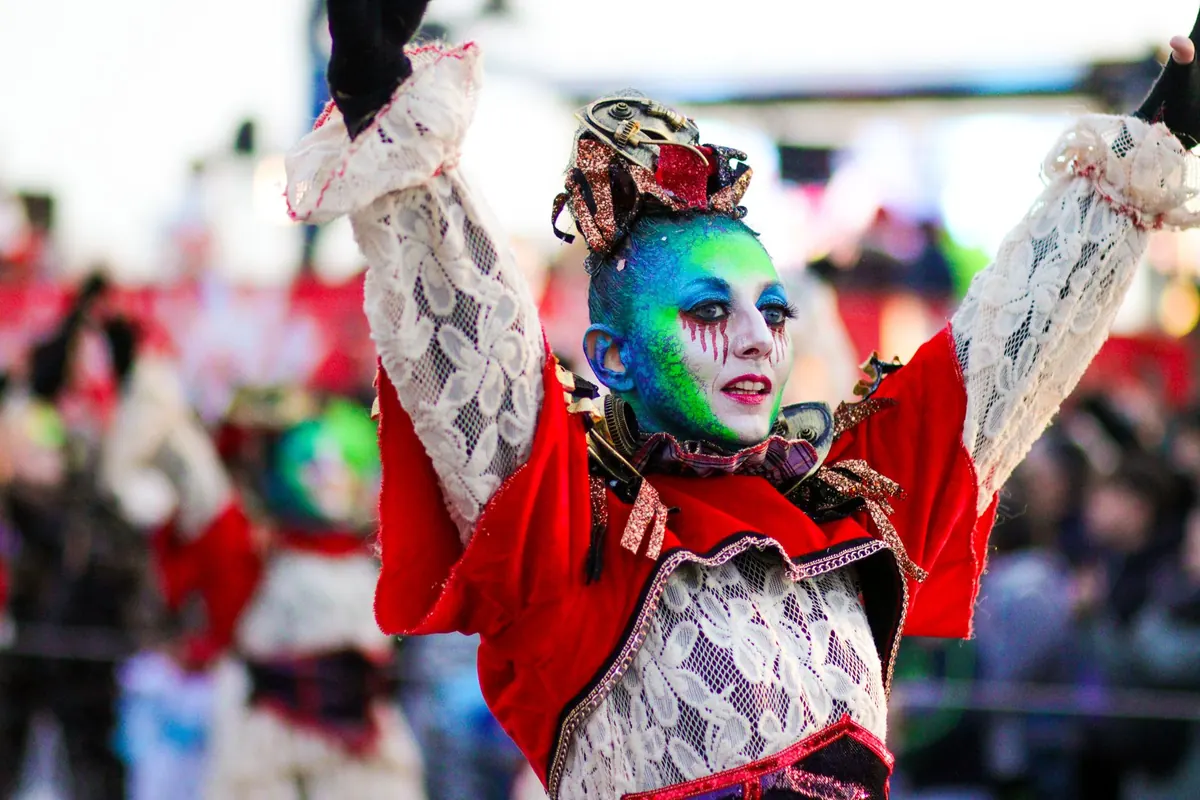
Autumn turns quieter and more food-focused: grapes, chestnuts, mushrooms, truffles, new wine, polenta poured onto a board and cut with wire. Winter is not empty either. January bonfires for Sant'Antonio, Carnival in February with frittelle and costumes, and Christmas markets in December all run on the same volunteer energy.
Because dates move, do not trust a general guidebook. Look for posters in bars and bakeries, the parish noticeboard, or the town's own website. Searching the word sagra plus the town name is usually more reliable than searching for the town's tourism page.
How a Food Stall Actually Works
The food is organised with more rigour than the chaos suggests. Most stalls in central and northern Italy run on a ticket system: you queue at the cassa, tell them what you want, pay, and take a printed slip to the counter where the food is handed out. Find the cassa first. Standing at the grill trying to pay is the classic first-timer's mistake, and the volunteers behind it will simply point you back across the piazza.
Bring cash. Not every stall has a card reader, and mobile signal in a packed piazza is unreliable. The menu is short by design, usually a first course, a second, a side, wine and water, because a volunteer kitchen can only do so much. Portions are generous and the wine is usually local, cheap and served in a plastic cup or, increasingly, a reusable one you pay a small deposit on and get back at the end.
Seating is communal. You will sit elbow to elbow with people you have never met, and that is the point. Keep your tray tidy, do not reserve a whole bench with jackets while others stand, and clear your own plates to the bins when you leave. If you cannot finish, asking for it to be wrapped is normal and rarely refused.
The Procession Is Not a Show for Tourists
Many feste are religious events first and street parties second. The statue of the patron saint is carried out of the church on a shoulder frame, a band plays, members of a confraternity walk in their robes, and the route takes in the main streets before returning to the church.
Watch from the side, not the middle. Step back when the procession passes, keep children close, and never cross in front of the statue to get a better angle. Lower your phone if people around you are praying. If you want to enter the church during mass, dress as you would for any church: shoulders and knees covered. Outside afterwards, the mood flips completely within minutes, back to fried food and children running between benches.
Fireworks usually close the evening, sometimes late, sometimes after midnight, and they are loud in a way that a small stone piazza amplifies. If you are staying nearby, this is worth knowing before you plan an early night.
Crowds, Closed Streets and Getting Home
Assume the historic centre is closed to cars. Streets are blocked with barriers, volunteers in high-visibility vests direct traffic, and the only realistic option is to park on the edge of town and walk in. Do not park across a private driveway, on a verge marked with a yellow line, or in front of a gate: in a small town, the person who needs to get out at ten at night knows exactly whose car is blocking them.
Timing makes a real difference. Arriving between seven and half past gives you shorter queues and a decent chance of a seat. The piazza is at its fullest between nine and eleven, when families with small children have gone home and the younger crowd arrives. The final evening of a multi-day festa draws the biggest crowd of all.
If you are driving, decide early. Leave before the fireworks and you avoid the crush entirely; stay for them and expect to sit in a slow-moving queue of cars for twenty or thirty minutes afterwards. Both are fine. Just do not plan a tight connection.
Etiquette: The Small Things That Matter
None of this is written down, and all of it is noticed.
- Order at the counter, not from your table. Waving and calling out across the piazza does not speed anything up.
- Say the basics. Per favore, grazie, and a simple posso? before reaching past someone will carry you a long way.
- Return the deposit cup. The deposit is small, but the volunteer collecting cups at the end of the night is not doing it for fun.
- Sort your rubbish. Most feste have clearly marked bins for organic, plastic and glass, and someone is watching to see that you use them.
- Leave the dog at home. Heat, crowds, dropped food and midnight fireworks are a bad combination.
- Do not touch the statue or step into the gap between the bearers and the procession.
- Skip the comparison. "Where I'm from we do it differently" is a conversation-ender. Ask a question instead; people are usually delighted to explain what their festival commemorates.
- No tipping ritual. Rounding up is kind, not expected.
A Short Checklist Before You Go
Check the dates on a local poster or the town website, and confirm whether the festa runs for one evening or several. Take cash, a light jacket for the walk home, and shoes that cope with cobbles. Eat a proper lunch, because dinner will be late and standing up. Learn the two or three words you need to order. Most of all, leave room in the evening for the unplanned part, the second lap of the stalls, the conversation with the man selling wine from his own vineyard, the walk through streets that are normally empty. That is the half of the festa that does not appear on any programme.
Photo: Prakriti Khajuria / Pexels