October 01, 2026
A piazza bar at eight in the morning runs on a rhythm you can hear. The door swings, someone says a word or two, the machine hisses, the cup is set down, and the same person is gone before the crema settles. Nobody is performing. That is exactly why the small mistakes stand out: stopping in the doorway, waiting to be seated, asking for a coffee "to go" and then hovering by the till. None of it is a catastrophe. You will still get a very good coffee. But five minutes of preparation buys you something better than efficiency — it buys you the ordinary, unremarkable treatment that locals get, which is the whole pleasure of the place.
Find the Counter Before You Find a Chair
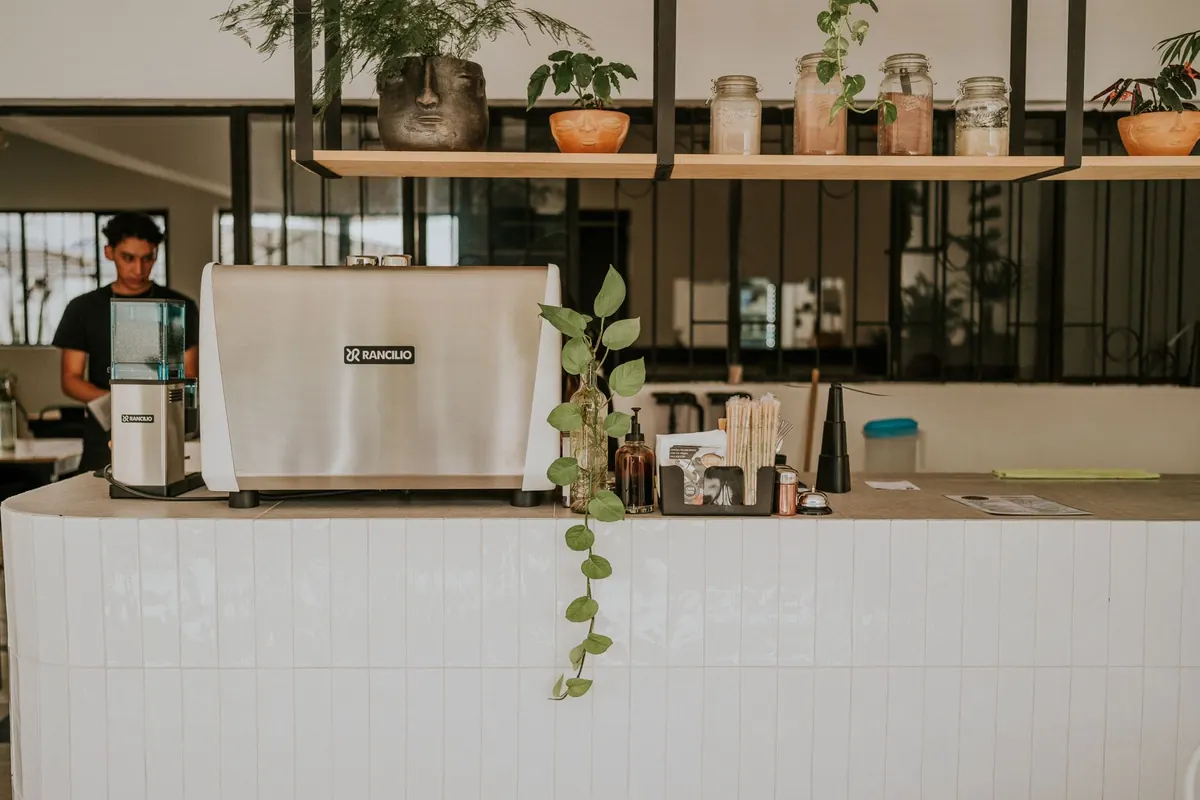
The counter — il banco — is the real bar. It is where the machine is, where the cups are stacked, where the day's conversation happens at a volume just below shouting. In most bars you can walk in, order there, drink standing, and be back out on the piazza in three minutes.
Tables work differently. Sitting down in a beautiful square usually means table service, and table service usually costs more. Look for the price list: bars are required to display one, often near the door or on a small card on the table, and you will normally see two columns or two sets of prices — at the counter and at the table. That gap is the price of the view. It is not a scam and it is not a tourist tax; it is a different service, with a waiter, a tray, and a chair you are effectively renting.
So decide before you go in. If you want a fast espresso and the pleasure of standing shoulder to shoulder with a man reading a folded newspaper, go to the counter. If you want half an hour to watch the square wake up, take a table, order, and pay at the end. Both are correct. Only drifting in and looking uncertain is not.
The Vocabulary: What You Are Actually Ordering
Un caffè is an espresso. That is the whole order. Saying "un espresso" is understood and does no harm, but it marks you as someone translating in their head. The rest is a short list worth memorising:
- Caffè — espresso, the default.
- Macchiato — espresso with a drop of milk. Say caldo or freddo if you care whether the milk is hot or cold.
- Lungo / ristretto — more water, or less. Same coffee, different extraction.
- Corretto — with a splash of grappa or another spirit. A cold-morning, market-day kind of order.
- Decaffeinato, usually shortened to un deca.
- Cappuccino, caffelatte, latte macchiato — the milk family, all much larger than a caffè.
- Marocchino — espresso with cocoa and milk foam, a northern speciality.
- Caffè shakerato — espresso shaken with ice and sugar; the correct order in July.
- Americano — espresso with hot water added. If you want brewed filter coffee, ask for caffè filtro, and expect to find it mainly in specialty bars.
Two traps. First, latte on its own is a glass of milk; ask for a caffelatte unless you genuinely want a glass of milk. Second, plant milks are widely available — latte di soia, latte di mandorla, senza lattosio — but in smaller bars they may cost a little extra or simply not exist, so ask rather than assume.
Pay First, or Order First?
This is the question that freezes most visitors, and the honest answer is: it depends on the bar. Many Italian bars work on the scontrino system. You pay at the cash register first, usually near the door, and receive a small receipt; you then hand that receipt to the barista, who makes your coffee. Other bars, especially smaller ones and those in the south, expect you to order at the counter and settle up at the end.
Read the room. If there is a till by the entrance with a queue of people holding slips of paper, pay first. If people are standing at the counter calling out orders and no one is near the till, order first. And if you still cannot tell, just ask: "Si paga prima o dopo?" It is a completely normal question, asked by Italians too, and no one will think less of you.
Keep the receipt until you leave. It is a fiscal document, and checks do happen; a barista may also ask to see it again. Tucking it into your pocket rather than leaving it crumpled on the counter is the tidy habit.
At the Counter: A Script That Works
- Walk in and say buongiorno — to the room in general, not only to the staff.
- Sort out payment if the bar works that way, then take your receipt to the counter.
- Catch the barista's eye. There is rarely a real queue at a busy counter; there is a cluster of people, and the barista serves in the order they can see faces.
- Order plainly: "Un caffè e un cornetto, per favore." Numbers work the same way — due caffè, tre macchiati.
- Drink it standing, at the counter, in two or three sips.
- Leave a coin or round up if the service was good, then say grazie, arrivederci on the way out.
A typical exchange at the bar sounds like this:
"Buongiorno. Un caffè e un cornetto, per favore." — "Caldo?" — "Sì, grazie."
Caldo? means: shall I warm the pastry? Answer yes. It takes fifteen seconds and improves the morning considerably.
Timing: What to Drink, and When
Italians are relaxed about many things and quietly strict about this one. Milk drinks belong to the morning: cappuccino, caffelatte, and a cornetto before work or on a slow Sunday. After eleven, the order shifts to caffè, macchiato, or a deca. Ordering a cappuccino after a plate of pasta will not cause an incident — you will simply get a small, amused look from the barista, which is the mildest form of social commentary in the country.
After lunch and dinner, coffee is short and taken standing, often at a different bar from the restaurant. It is perfectly normal to finish a meal, walk twenty metres, and have a caffè at the counter on the way home. In the evening, a deca is common; in summer, a shakerato or a caffè freddo replaces the hot cup entirely. And if someone offers you an ammazzacaffè — a tiny glass of something strong after the coffee — the answer is yes.
Small Habits That Read as Local
- Drink standing at the counter. A single espresso nursed for twenty minutes at a busy bar during the morning rush is the one thing that genuinely irritates.
- Don't assume takeaway. Many bars will put a coffee in a paper cup if you ask (da portare via?), but the default is that you drink it there.
- Ask for water if you want it: un bicchiere d'acqua. It is often free, sometimes a small bottle is charged; either is normal.
- Tip lightly or not at all. Rounding up or leaving small change is plenty; a percentage tip is not expected at a counter.
- Don't sit at a table and then expect counter prices. Check the list before you pull out the chair.
- Say buongiorno on arrival and arrivederci on leaving. This single habit does more for your standing than any amount of vocabulary.
Your Two-Minute Practice Run
Here is the whole thing compressed. Walk in, say buongiorno, glance at the till. If people are paying first, pay, take the scontrino, and hand it to the barista. If not, go straight to the counter and order: "Un caffè, per favore." Drink it standing. Leave the receipt on the counter or drop your change. Say grazie and arrivederci, and step back out into the light.
That is it. There is no secret handshake and no examination. The barista is not grading your Italian; they are making forty coffees an hour and will forget your face within a minute. Which is precisely the point — for those two minutes, you were not a visitor being handled, you were just another person in the piazza having a coffee. Order it well, drink it quickly, and go and look at something beautiful.
Photo: Amar Preciado / Pexels