October 05, 2026
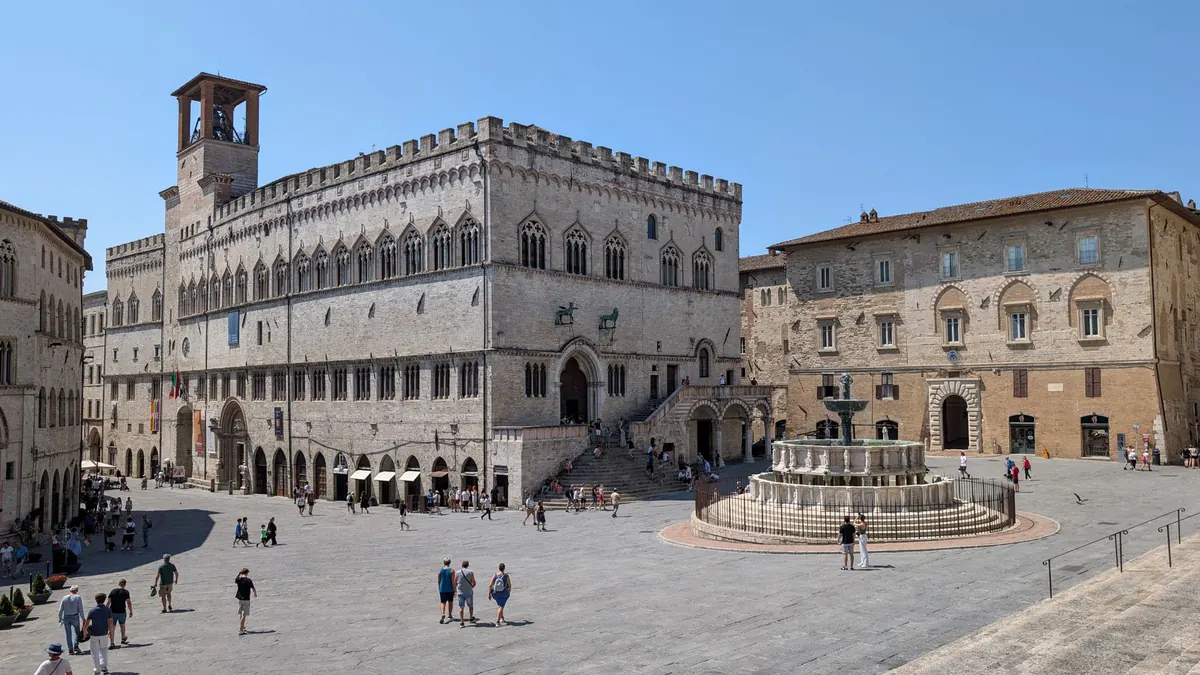
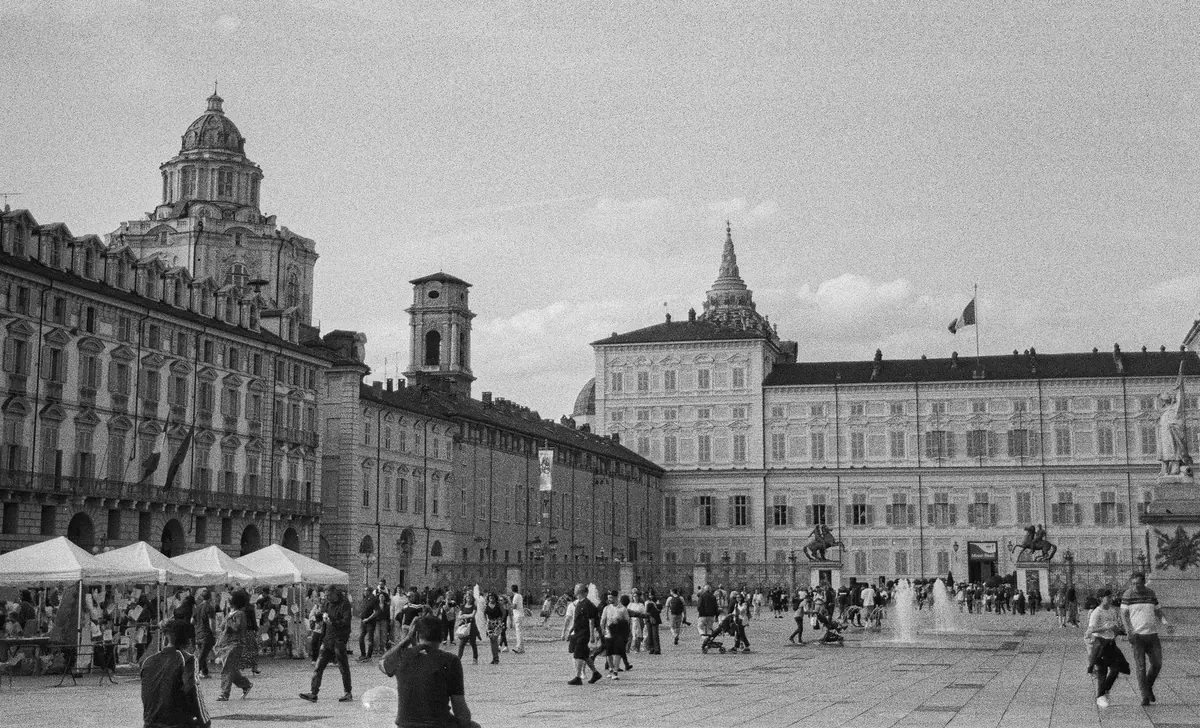
Walk from one Italian town to the next and the piazza changes character as surely as the bread and the dialect. One is a tight, sloping shell; another is a long drawing room framed by arcades; another is an oval opened over the ruins of an ancient arena. The differences are not decorative quirks. They are records of what the town could build on, who held power, and how people actually used the space.
A Square Is a Compromise, Not a Design
It is tempting to imagine that every Italian piazza was drawn by a single hand. A few were. Most grew in stages, with one generation adding a church front, another a town hall, another a fountain or a row of porticoes. The result is often irregular, and that irregularity is the point. A piazza had to work for processions, markets, elections, gossip, and the simple business of getting from one street to another.
So the shape usually answers several questions at once. Where was there flat ground? Which family or institution controlled the buildings? Where did the main roads enter? Was there an old Roman forum, a castle courtyard, a convent garden, or a dried-up marsh beneath? The square we see now is the visible answer to those questions, revised many times.
Topography Sets the First Rule
In hill towns, the ground often decides everything before architecture gets a chance. A perfectly level square may be impossible or ruinously expensive, so the piazza tilts. Siena’s Piazza del Campo is the famous example: a shell-shaped space that slopes gently toward the Palazzo Pubblico, with paving that seems to follow the contours rather than fight them. Arezzo’s Piazza Grande also leans, and the effect is not a flaw. The slope helps drainage, creates a natural stage for crowds, and gives the square a sense of movement.
In flatter cities, the constraints are different. Builders have more freedom, but they also have to deal with water, old foundations, and the width of the streets that already exist. Venice’s Piazza San Marco is long and rectangular because it grew alongside the basilica and the civic buildings, not because someone imposed a neat grid. Lucca’s Piazza dell’Anfiteatro is oval because it sits on the footprint of a Roman amphitheater; the medieval houses follow the old curve. Once you notice the ground and the buried past, many odd shapes begin to make sense.
Politics and Religion Build the Frame
The buildings around a piazza are rarely neutral. In a Roman town, the forum was the center of civic, commercial, and religious life, and later squares often inherited that role. In the medieval commune, the town hall and the cathedral sometimes faced each other across the square, and the distance between them told you something about the balance of power. Florence’s Piazza della Signoria is dominated by the Palazzo Vecchio and the Loggia dei Lanzi, a setting for civic authority and public ceremony. The open space is not empty; it is a stage for the institutions that frame it.
Renaissance and Baroque planners became more deliberate. Michelangelo’s design for the Campidoglio in Rome uses a trapezoidal space and a patterned pavement to make the hilltop feel ordered and ceremonial. Naples’s Piazza del Plebiscito relies on a curved colonnade to embrace the visitor. Later, in the nineteenth and twentieth centuries, some squares were widened, regularized, or cut through older neighborhoods to serve new ideas of public order and national pride. Even when a piazza looks ancient, parts of its outline may be surprisingly modern.
Daily Life Fills the Gaps
Shade matters. So does the route from the bus stop, the church door, the market stall, and the café. A piazza with arcades offers shelter from sun and rain, which is why porticoes appear again and again in Italian cities. Bologna is famous for them, but the idea is widespread: the edge of the square becomes a covered street, and the square itself becomes a room with many doors.
Markets leave a mark even after they move. A square that once held produce stalls may still have wide, open paving and easy access from side streets. A square that served as a parade ground may feel more formal and less intimate. Where cars were allowed in, the piazza often lost some of its social life; where traffic has been limited, tables and children tend to return. These are not small details. They explain why one square feels like a living room and another feels like a monument you walk past.
How to Read the Edges
If you want to understand why a piazza is shaped the way it is, start at the edges rather than the center. Look for these clues:
- Porticoes and arcades: they show where people needed shelter and where shops or workshops lined the square.
- Steps and slopes: they reveal the original ground level and how builders handled a difficult site.
- Street openings: the widest or most direct entrances often follow old routes to markets, gates, or bridges.
- Building heights and facades: a palace, church, and row of shops usually announce different kinds of authority.
- Paving patterns: simple stone, brick, or marble bands can mark processional routes or older boundaries.
A fountain is another useful clue. It may be the reason the square became a meeting point, or it may have been added later as an ornament. Either way, it tells you where water, civic pride, and daily routine met.
Why Some Squares Feel Less Convincing
Not every open space works as a piazza, even when it is called one. Large modern squares surrounded by traffic can feel exposed because they lack the continuous edges that make a traditional piazza feel enclosed. A square with only one active side, or with blank ground-floor walls, loses the mixture of uses that keeps people there. The lesson is practical rather than nostalgic: a good piazza needs reasons to enter, reasons to linger, and a comfortable edge to sit or stand along.
A Ten-Minute Method for Reading a Piazza
When you arrive in a square you do not know, try this simple sequence.
- Stand at the main entrance and look at the ground. Is it flat, sloping, curved, or stepped?
- Find the most powerful building and the most ordinary one. What does the space between them say?
- Follow the shade. Where do people sit, wait, or pass through?
- Check the paving and the street openings for traces of an older layout.
- Ask what happens here on a market day, a feast day, or an ordinary evening.
The answers will not be the same in Siena, Lecce, Turin, or Trieste. That is exactly why Italian piazzas are worth slowing down for: each one is a compact history of the place, written in stone, slope, and habit.
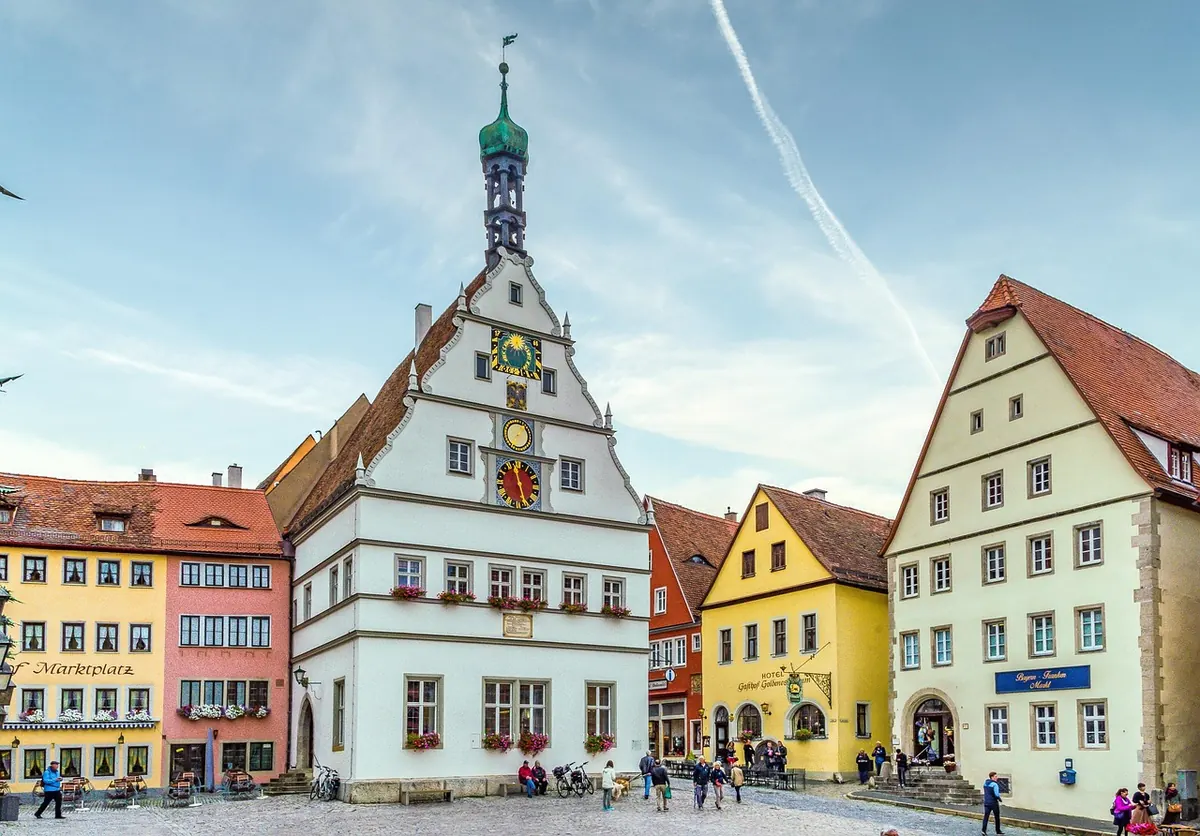
Photo: alfredhofmeister / Pixabay