October 13, 2026
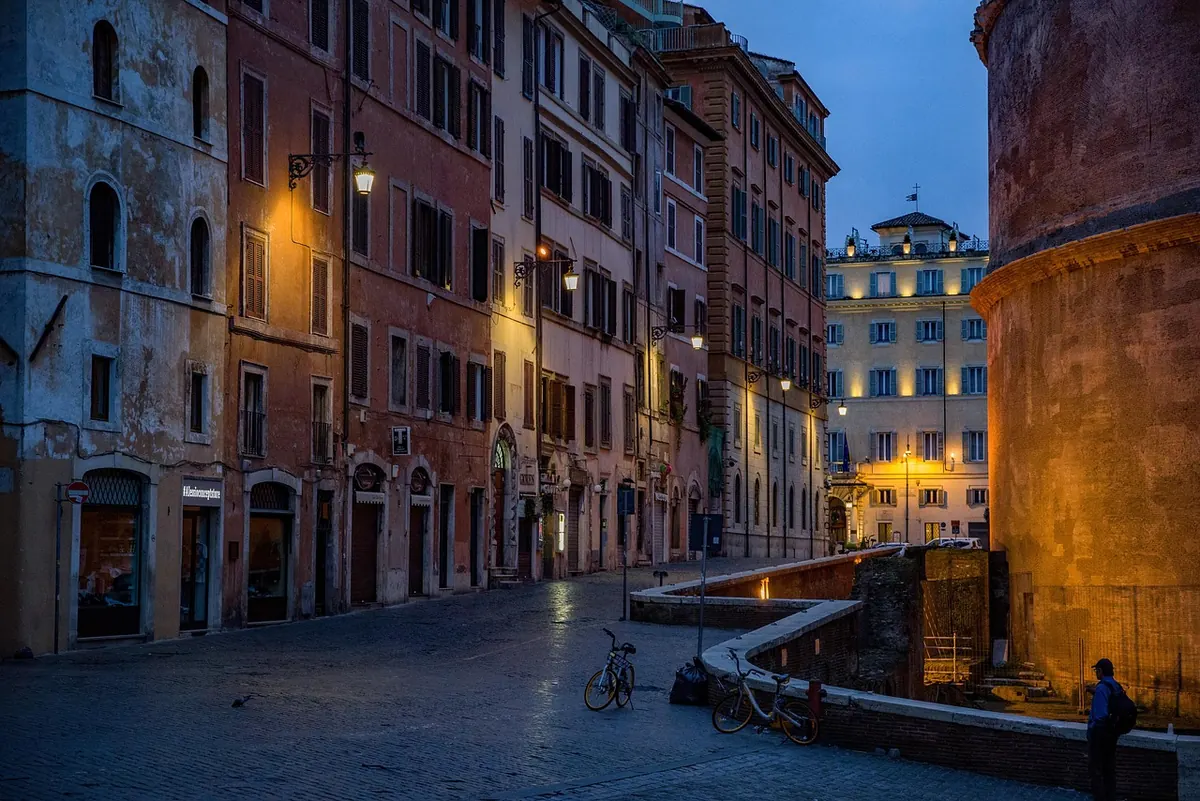
At 7:40 in the morning, a piazza is mostly sound: a metal shutter rolling up, a broom scraping stone, the first espresso machine hissing behind a half-open door. By 7:40 in the evening, the same square has a different pulse—footsteps slowing, glasses set on metal tables, children weaving between grandparents. Travelers often ask which version of the piazza is worth their time. The honest answer is both, but they are not interchangeable. Your choice depends on what you want to see, what you want to eat, and how much noise you can happily absorb.
Morning: Coffee, Errands, and the Square at Work
Morning is when the piazza belongs to people who live there. Between roughly 7 and 9:30, bars fill with customers standing at the counter for a quick caffè and a cornetto. This is not a lingering hour. People read the newspaper, check their phones, greet the barista by name, and leave. If you want to feel less like a visitor, do the same: order at the counter, drink standing, and keep your table free for the next person.
Watch the edges of the square. A fruit vendor stacks crates. A flower seller arranges buckets. A delivery van backs carefully toward a side street. In many towns, the street cleaner passes early, and church bells mark the quarter hour. If there is a weekly market, it will almost certainly be a morning event; arrive before 10 for the best produce, and expect stalls to pack up by early afternoon. You can confirm market days at a bar, the comune, or a notice board near the square.
Morning is also the best time for photographs if you want empty stone and long shadows. The light is low and soft, and the piazza has not yet filled with people posing for pictures. Be respectful: people are working, not performing. Step out of the way of deliveries, and ask before photographing close-up.
Best for: quiet coffee, market browsing, errands, empty streets, cool air in summer.
Evening: The Passeggiata and the Slow Shift
The evening piazza is a social room. The passeggiata—the traditional evening walk—usually begins between 6 and 7 in spring and autumn, later in summer, and earlier in winter when the light goes quickly. It is not a parade or a performance. People walk slowly, stop to talk, greet neighbors, and let children run ahead. Teenagers gather in loose groups. Older residents take the benches. Couples loop the square once, then again.
Dress matters more in the evening than in the morning. You do not need to be formal, but clean shoes and a shirt will make you feel less like you are cutting through a living room. Athletic wear stands out. So does standing in the middle of the walkway to check a phone. Move to the side, and you will blend in better.
Aperitivo timing
From about 6:30 to 8, bars set out tables and begin serving aperitivo: a spritz, a glass of wine, small bowls of chips or olives. If you want a seat, arrive by 7. After that, you may be standing. Dinner in the piazza usually starts later—after 8 in many places, and later still in summer. The evening crowd thins around 9:30 or 10, but in warm months families with children may still be out at 11.
Hour by Hour: What Changes
Exact rhythms vary by town, season, and weather, but this general pattern holds in most Italian piazzas:
- 6–8am: Deliveries, shutters, sweeping. Quiet and cool. Best for empty photos.
- 8–10am: Coffee rush and errands. Lively but not crowded. Good for people-watching from a bar.
- 10am–12pm: Market peak or errand peak. The square feels useful rather than scenic.
- 1–4pm: Heat and closures. In summer, many shops shut and the piazza can feel abandoned. Avoid this window if you want atmosphere.
- 4–6pm: Reopening. Children out of school, first errands, and in winter the start of the passeggiata.
- 6–9pm: Passeggiata and aperitivo. Golden light, fullest square, highest noise.
- 9–11pm: Dinner crowd and lingering. In summer, still busy; in winter, fading fast.
Which Time Suits You?
- You want the classic photograph: go 7:30–9am or an hour before sunset. Morning gives you clean stone; evening gives you warm light and movement.
- You want coffee like a local: go 8–9:30am, stand at the bar, and keep it short.
- You want to people-watch: go 6:30–8pm and sit at the edge of the square, not in the middle.
- You have young children: morning offers space; early evening offers other children and a natural bedtime walk.
- You dislike crowds: choose morning, and avoid Saturday evening when the passeggiata is at its fullest.
- You want aperitivo: arrive 6:30–7:30. Later means standing or waiting.
- You want dinner in the piazza: book or arrive after 8, and expect the kitchen to be busy later in summer.
Piazza Etiquette That Locals Notice
- Step to the side when you stop. The center of the square is a walkway, not a lobby.
- Sit only where seating is meant for customers. Church steps are not a picnic spot.
- Keep your voice low in small residential squares. Stone carries sound farther than you think.
- Dress a notch nicer for the evening passeggiata. No swimwear, no gym clothes.
- Order at the bar and keep your receipt if one is given. In some bars you pay first, then take the receipt to the counter.
- Do not feed pigeons or leave cups on ledges. Use the bins, even if you have to walk a few meters.
Weather, Season, and the Two-Visit Rule
Summer splits the piazza in two: early morning before 10 and evening after 7. The middle of the day belongs to shade, closed shutters, and indoor lunch. Carry water, wear a hat, and if heat is a concern for you, ask your doctor about precautions. Winter brings fog, low light, and a shorter passeggiata—often between 4:30 and 6. Rain empties the square quickly; bars fill instead, which is its own kind of local life. Spring and autumn are the easiest seasons for spending a long hour outside without planning around temperature.
If you are staying overnight, use the two-visit rule: go once in the morning and once in the evening. They are not the same place. Morning shows you the piazza as a workshop and a meeting point. Evening shows you the piazza as a living room. Seeing both is the closest you will get to understanding why the square matters so much.
A Practical Plan for Your Day
Check the market day and the sunset time before you choose your hours. Plan a morning coffee at a bar between 8 and 9:30, then return in the evening for the passeggiata between 6:30 and 8. Avoid 1–4pm in summer unless you want to see the square at its quietest. If you only have one hour, choose morning for calm and photographs, or evening for atmosphere and aperitivo. Either way, slow down, step aside, and let the piazza set the pace.
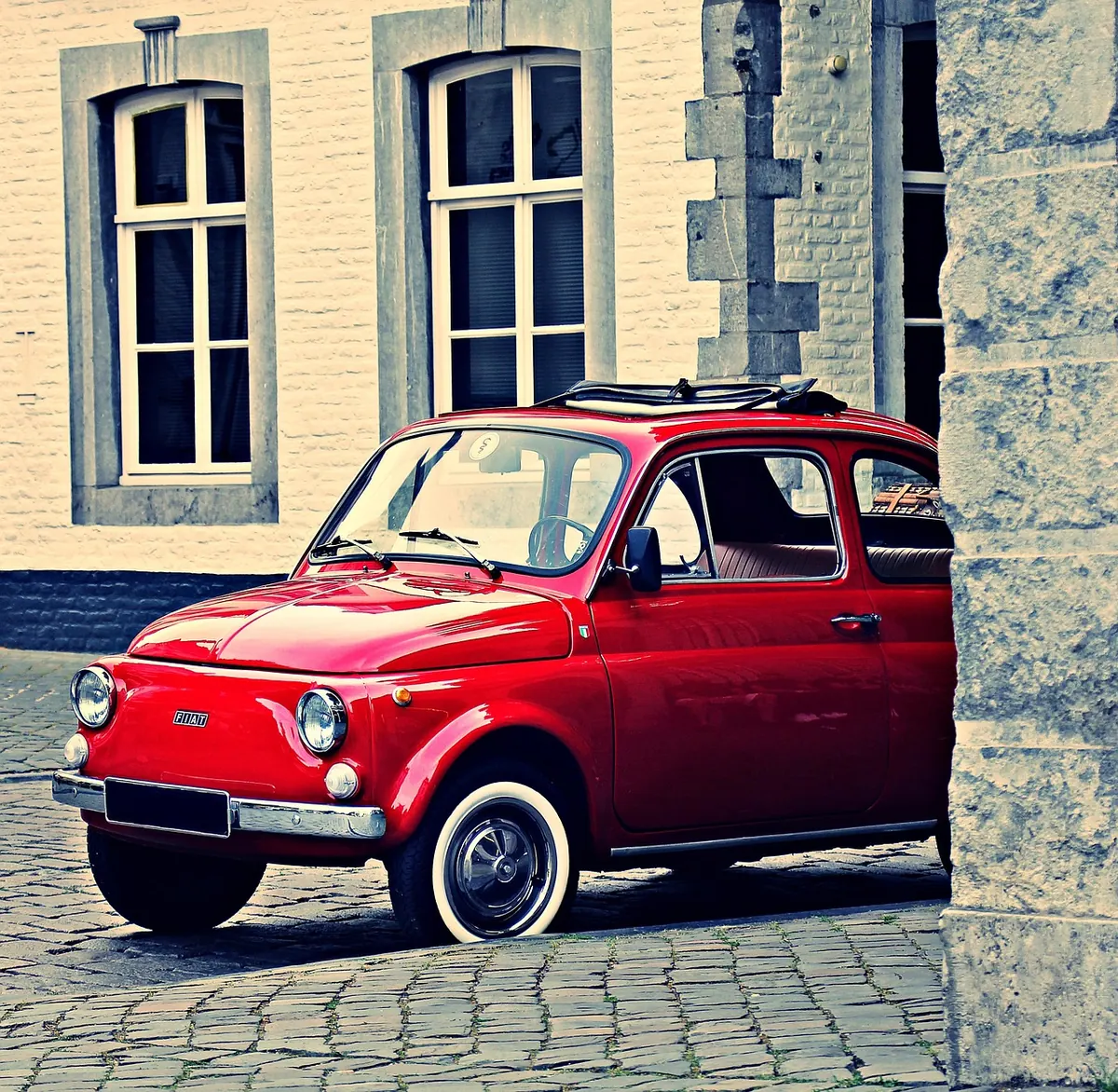
Photo: djedj / Pixabay